In the kingdom of quaggas
The quagga mussel from the Black Sea has colonised the lakes of Europe at a blistering speed, threatening ecosystems and infrastructure. Horizons has accompanied a team of scientific divers on an expedition to Lake Constance.
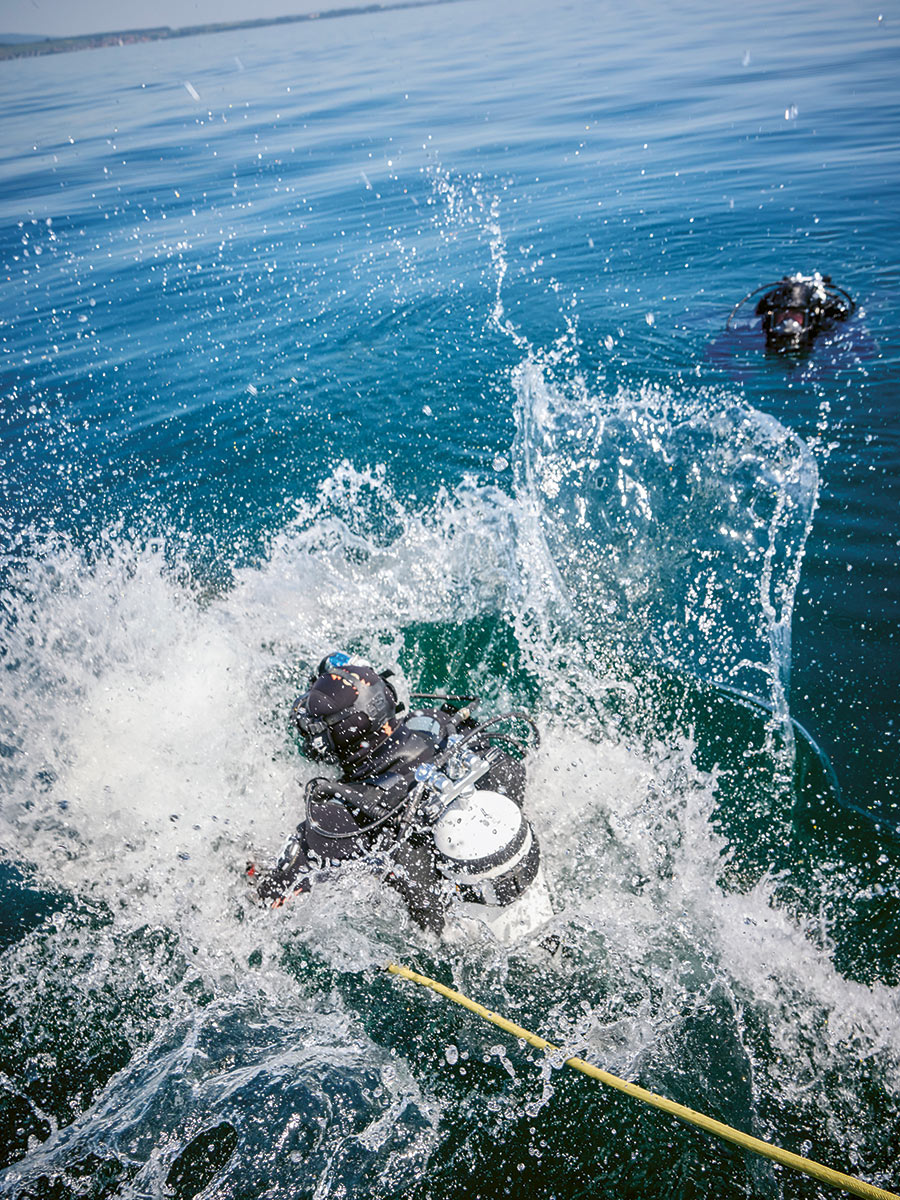
Eawag’s scientific diving team on an expedition to Lake Constance, about to swim 25 metres down. | Photo: Philotheus Nisch
“Gloves? Knife? Weight? Communication cables?”. Christoph Walcher is an Eawag technician, and he and his team check their diving equipment before loading it into a van. It’s eight a.m. on a Tuesday at the end of May 2026. I am standing in front of a hangar in the suburbs of Zurich belonging to Eawag that’s bordered by railway lines, dual carriageways, new housing estates and a small biotope. A second vehicle driven by Julie Conrads, a doctoral student, backs up to where it will hitch a trailer and tow the Eawag boat. Once all is set, we hit the road for Lake Constance. The goal of the day is to collect specimens of quagga mussels at different depths.
The quagga mussel originates in the Dnipro estuary on the north coast of the Black Sea. It has made a rapid progress across many lakes in Europe and North America. It was observed in Lake Geneva in 2015 and in Lake Constance the following year, although it had probably already been present there for some time. Since then, it has colonised these two great lakes and covered the large part of their beds. There are more than 3,000 mussels per square metre on average throughout Lake Constance, with the density ten times higher at low depths.
This dizzy proliferation of Dreissena rostriformis bugensis is having a considerable economic impact. Quagga mussels block the pipelines for the collection and distribution of drinking water and for the heating and cooling infrastructure of buildings. EPFL and the University of Lausanne have been forced into a complete renewal of their energy system, which relies on water from Lake Geneva. The cost is estimated at CHF 50 million.
“They also profoundly alter the balance of lake ecosystems”, says Alexandra Weber, a biologist and group leader at Eawag. “They take the place of indigenous species and eat enormous quantities of phytoplankton, which can affect the whole food chain”.
31 degrees Celsius, 12 kilos at the waist
At 9:30 a.m., we arrive at the Bottighofen marina, near Kreuzlingen. The team disembarks and unloads the equipment while Conrads steps up onto the ramp to release the boat into the lake. We all don our self-inflating life jackets. Walcher is also a diving safety manager and he navigates us out of the port before stopping to fuel up. Just ten minutes later, we’re already dropping anchor. According to the sonar, the lake bed lies 30 metres below us.
Weber and her colleague Pascal Bucher have already slipped into their wetsuits, which they’ve pulled over their thermal underwear. The temperature at the bottom of the lake is less than ten degrees. This equipment is burdensome during a heatwave – the surface air temperature is due to hit 31° C later today. Fortunately, no one is complaining, though whether it’s out of habit or resignation, it’s not clear.
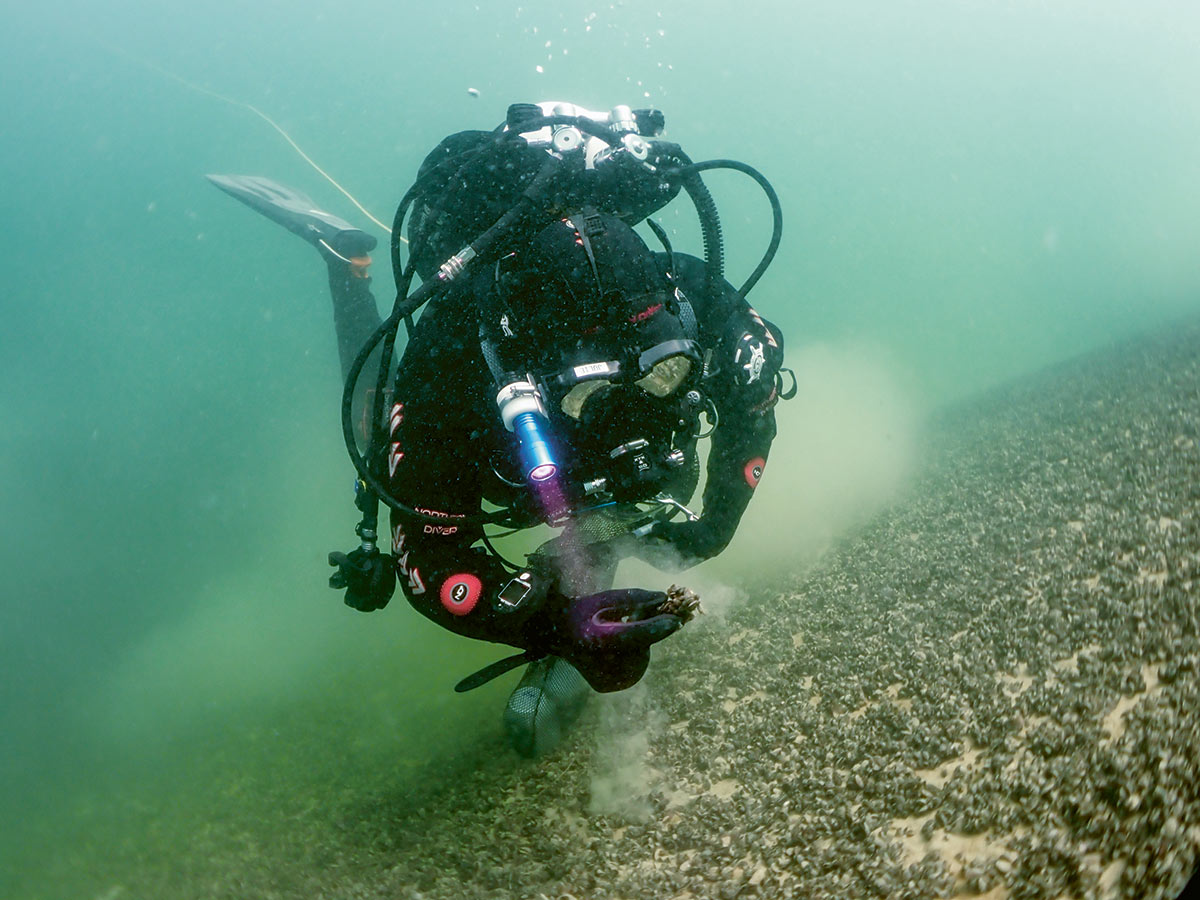
Julie Conrads is a doctoral student at Eawag. She’s diving down to 15 metres to collect quagga mussels in Lake Constance. Up to 3,000 of these invasive molluscs live on a single square metre of the lakebed. In shallow areas, there can be as many as ten times that. | Photo: Christoph Walcher, Scientific Dive Unit, Eawag
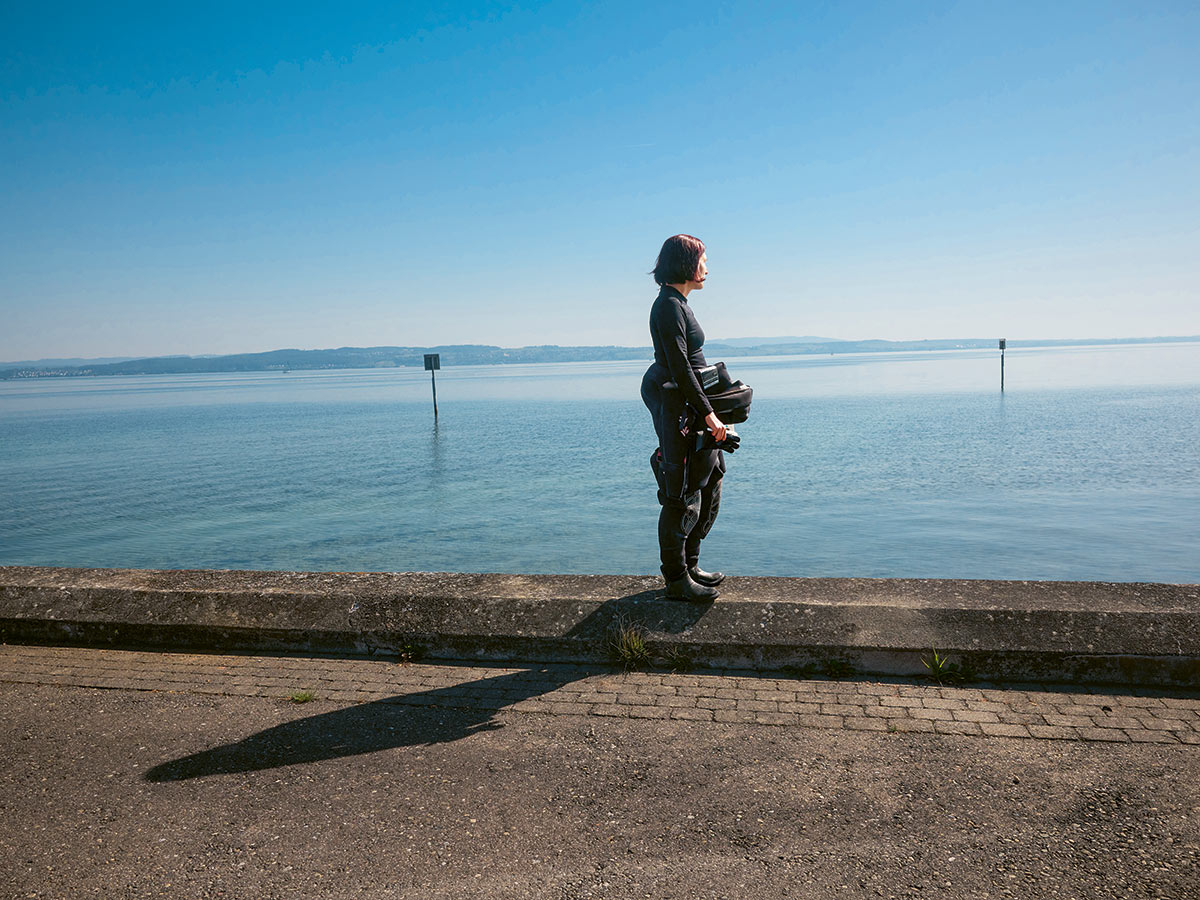
Alexandra Weber, the group leader, wants to understand how this non-native mussel is spreading. It’s displacing native species and posing a threat to infrastructure. | Photo: Maurice Haas
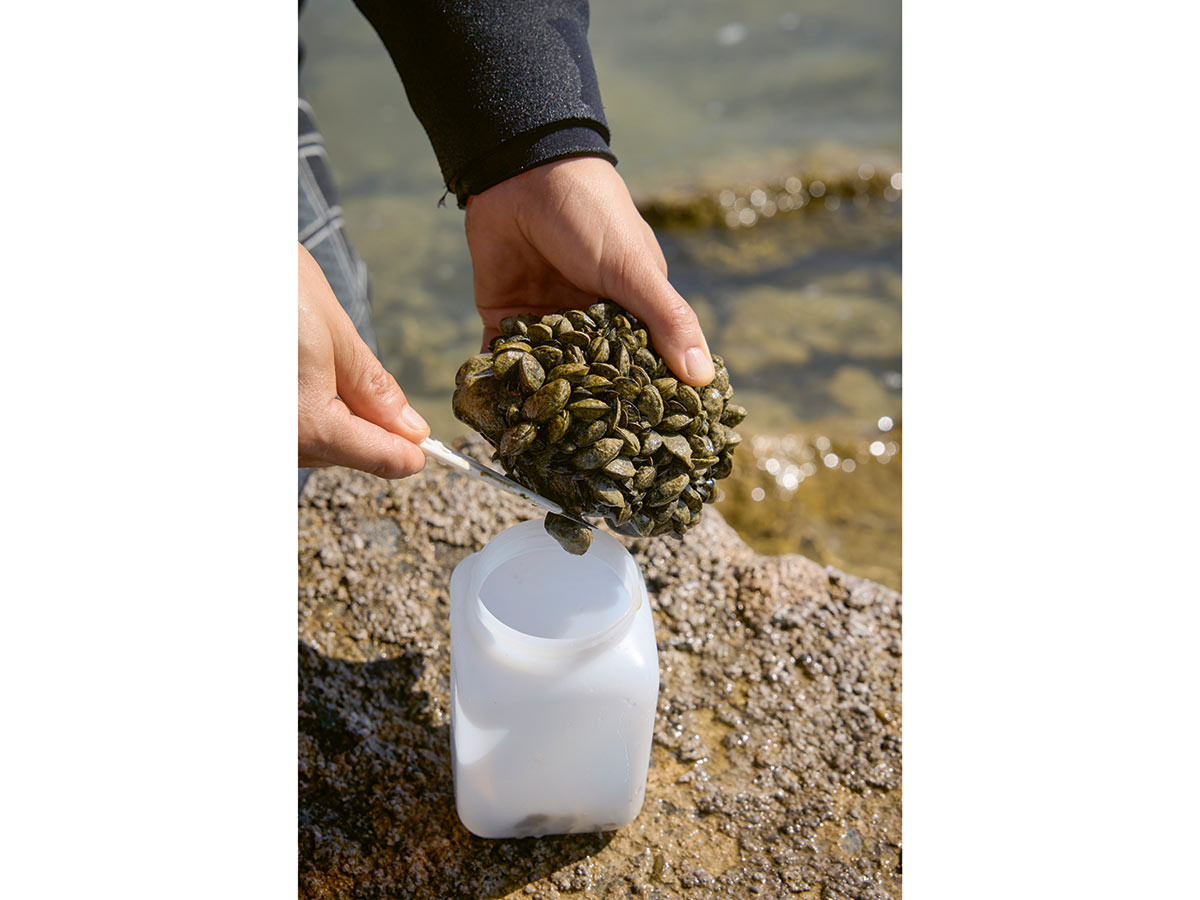
Quagga mussels have meanwhile spread to most of the big Swiss lakes. | Photo: Maurice Haas
Alexandra Weber and field technician Christoph Walcher set up Eawag’s Scientific Dive Unit in 2023. | Photo: Maurice Haas
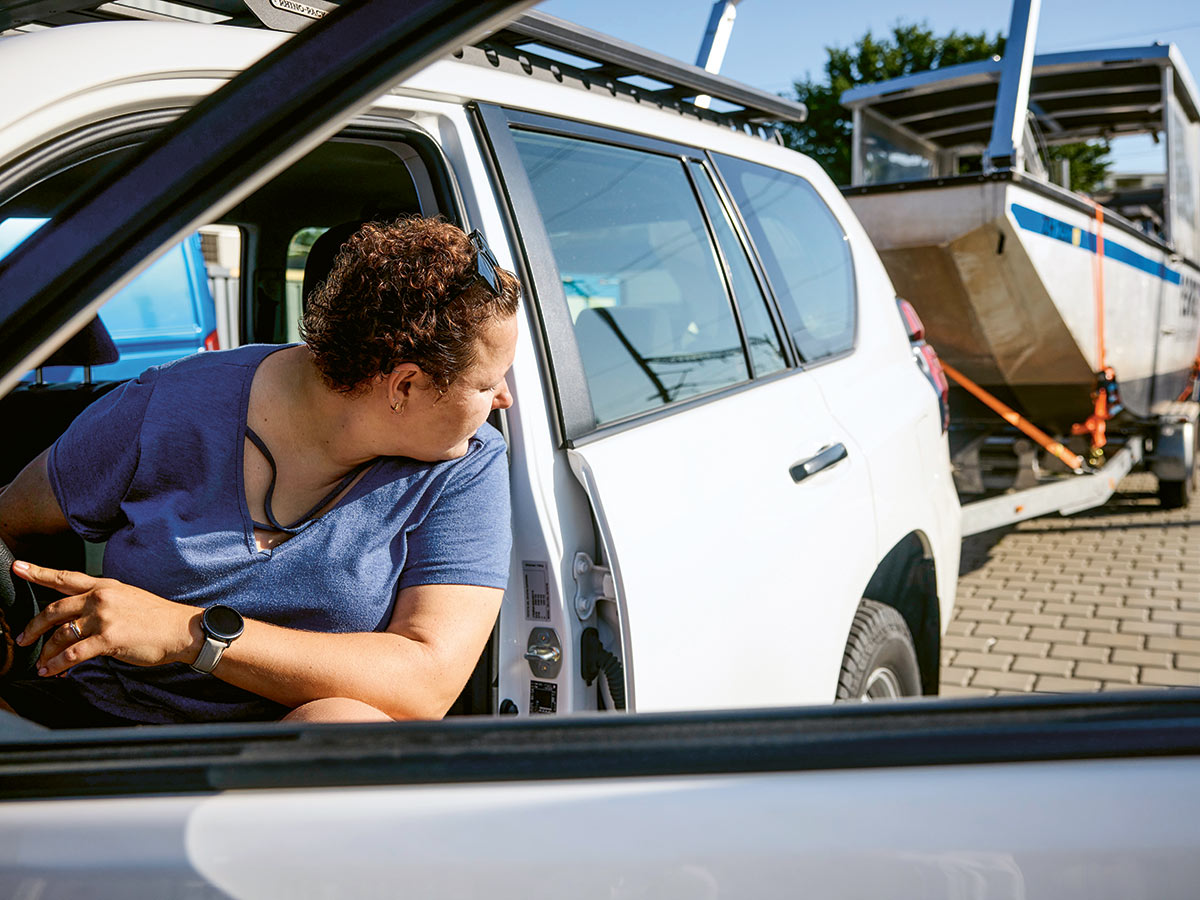
Julie Conrads bringing Eawag’s boat into the water. It’s cleaned for several hours after every trip to ensure that no stowaway larvae can be carried into other bodies of water. | Photo: Maurice Haas
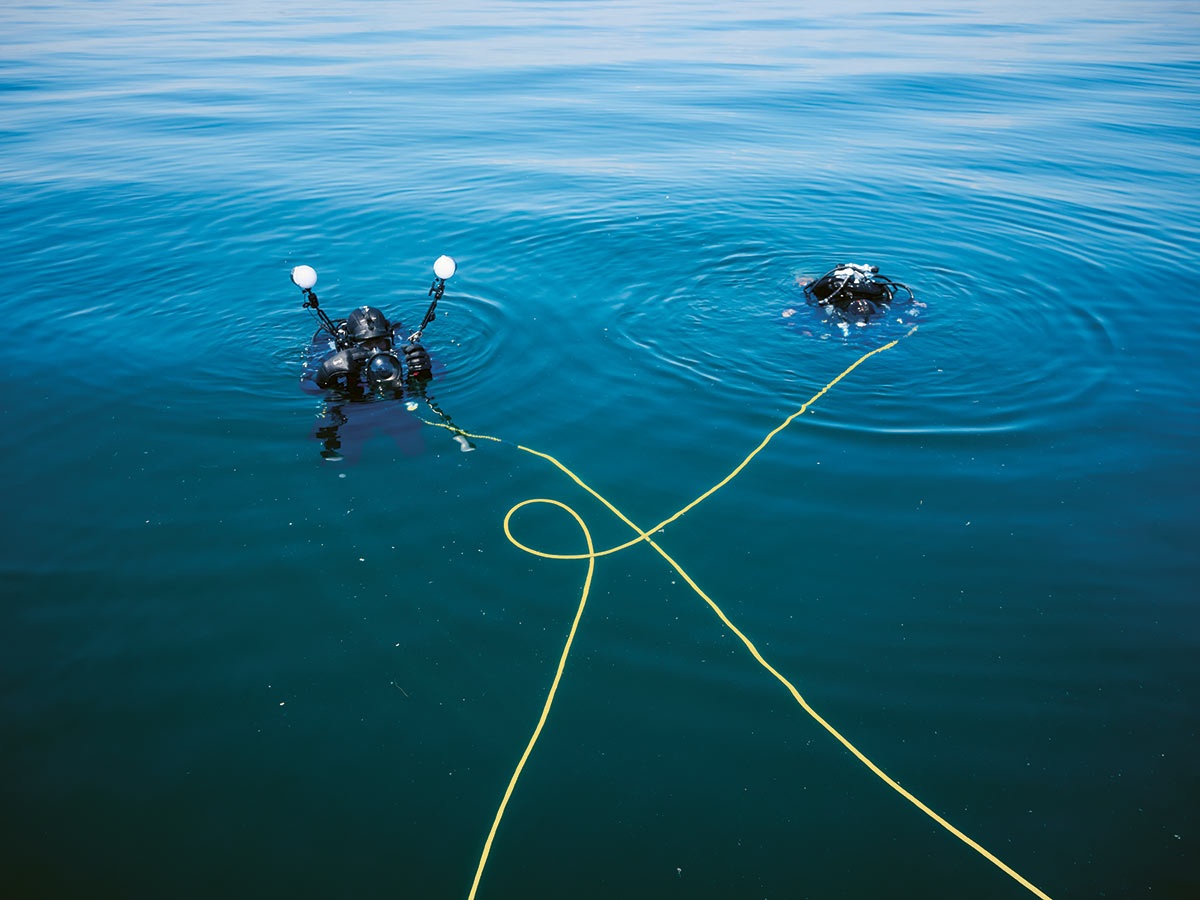
Walcher recalls the diving plan and Weber and Bucher finish equipping themselves: knives next to their knees, depth gauges on their wrists, face masks over their heads and 12-kilogram ballast belts around their waists. The last step is connecting the communication cables. These will allow them not only to talk to each other and with the boat, but also to rely on a safety wire with the surface. They plunge into the water and disappear little by little. From then on, only rising air bubbles will signal their presence.
Weber and Walcher created Eawag’s scientific diving unit in 2023. “I’ve always been interested in aquatic organisms”, Weber says. “Diving would have been necessary for my work on quagga mussels, and to do it at Eawag allows for the development and preservation of this expertise”. Walcher had achieved his certification in scientific diving at the end of his diploma work carried out at the Alfred-Wegener Institute on the island of Heligoland in northern Germany, where he then worked for seven years.
When he arrived at Eawag in 2019, Walcher trained Weber and six others there. The unit now has eight members. It operates as research infrastructure and also carries out missions to assist the work of other colleagues at the institute. “Professional diving is regulated by law, and the employer is responsible for ensuring safety”, Walcher says. The requirements include, for example, wearing a full mask (mouth respirators can fall out if you lose consciousness) and a systematic analysis of potential risks: weather, currents, visibility and even boat traffic. He’s prepared a safety briefing, signed by each member of the expedition, and he’s notified the planned dives to the Lake Constance shipping company.
In Switzerland, a scientific diving unit like this one at Eawag can only train staff for expeditions carried out as part of internal projects. There are no organisations that are authorised to issue certifications that would be recognised by any institutions. Obtaining them requires a trip abroad. “This is a point that we’re discussing within the small Swiss scientific diving community”, says Walcher. It’s a circle that brings together research groups in biology or archaeology, technical diving centres and environmental consulting offices.
Laughing underwater
Weber and Bucher bring up their haul of mussels harvested from the lake floor. Conrads quickly transfers them into an ice box. A quarter of an hour later, the duo dives back in the water and down to 25 metres this time. We feel involved in their work as we listen through the communication system: the last security checks before diving, the samples, the safety stops at five metres depth. The atmosphere is lively and they tease each other. A burst of Weber’s laughter echoes in the loudspeaker and I realise it is actually possible to laugh underwater.
Conrads and Walcher dive in to collect quaggas at 20 metres, then again at 15 metres and once more at a depth of five metres. I also go in, without oxygen, though with flippers and underwater goggles for free diving. As I go down, I discover an amazing landscape: a carpet of small mussels, each just a few centimetres big, spread out as far as the eye can see. The visibility is surprisingly high for a Swiss lake. One quagga mussel filters up to ten litres of water per day.
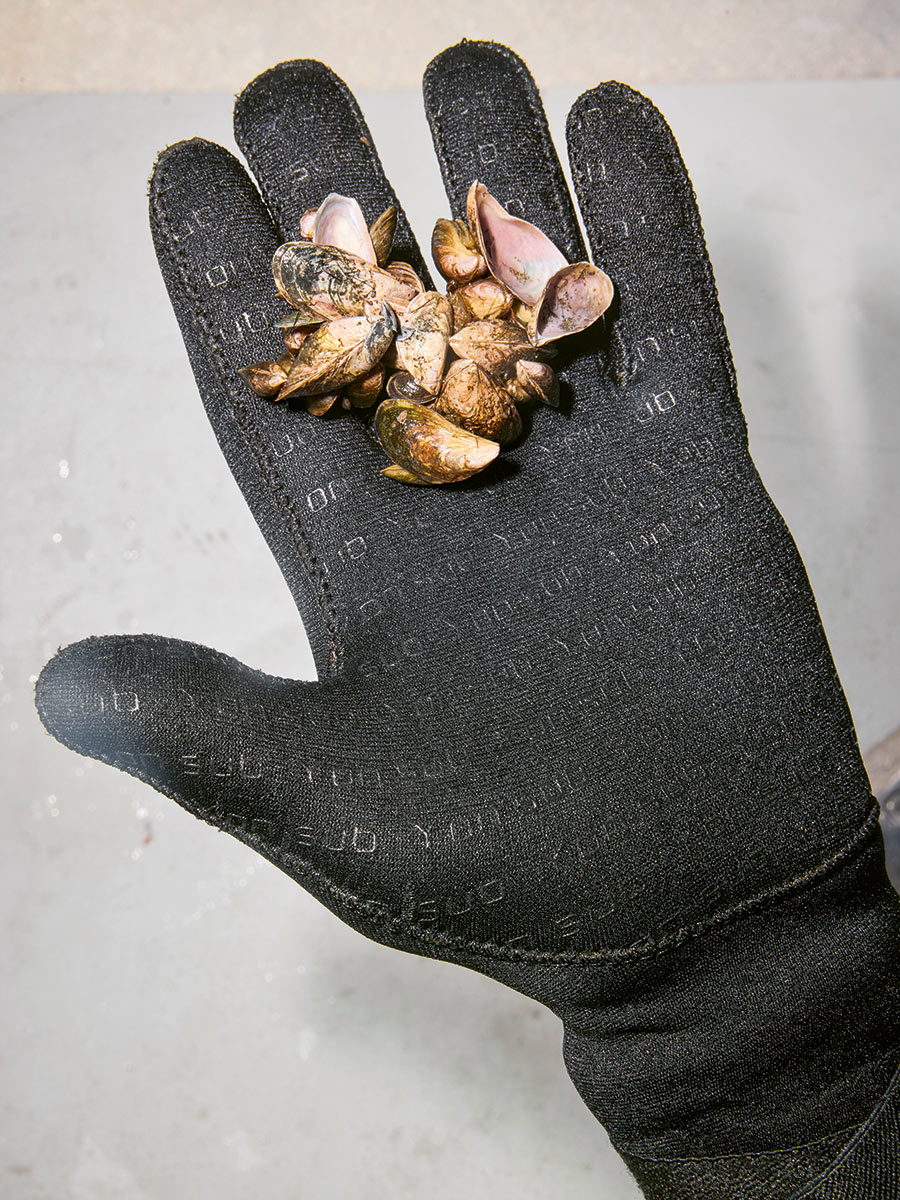
Quagga mussels that live near the surface look different from those from lower down. These mussels are from a depth of some seven metres. | Photos: Maurice Haas
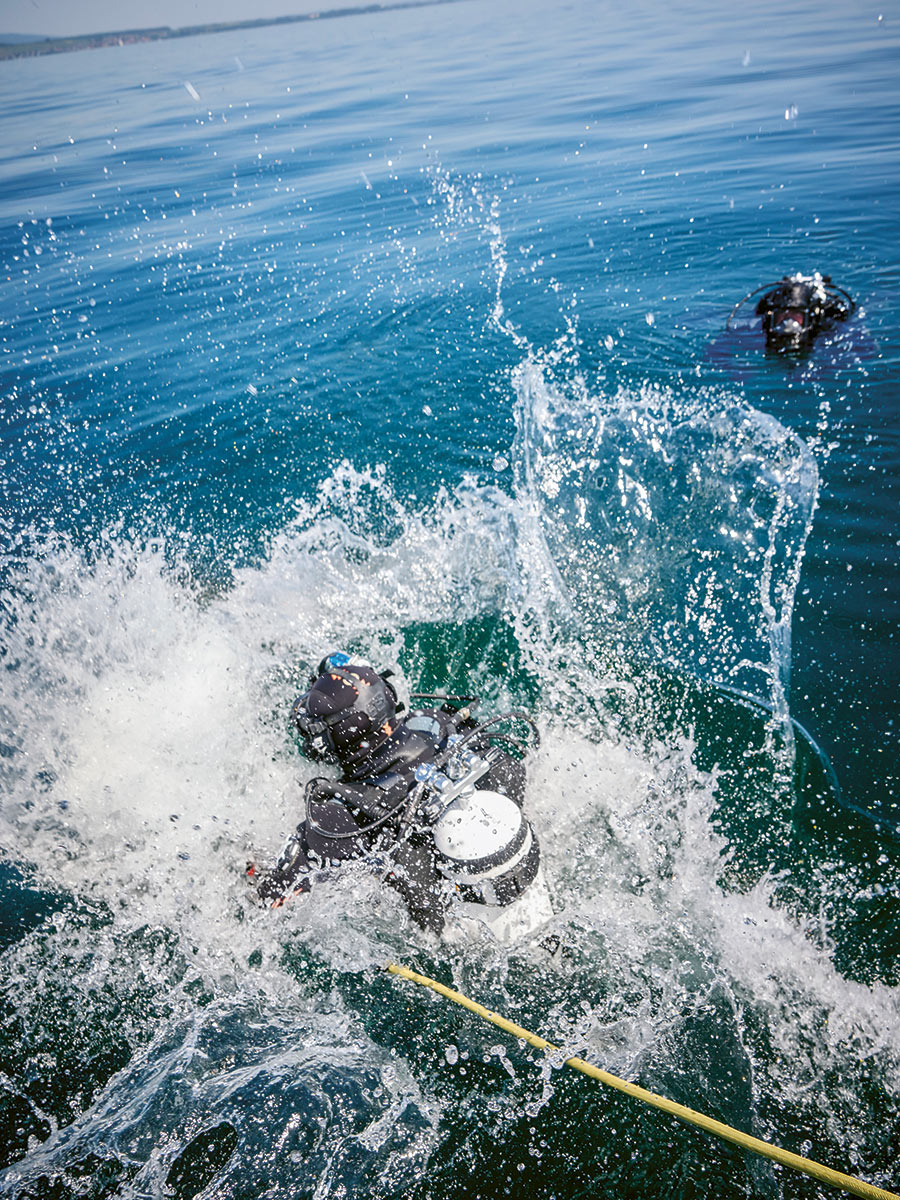
The mood is good among the divers. Despite 31 degrees Celsius above water and their very heavy equipment, there’s plenty of laughter during their mission.
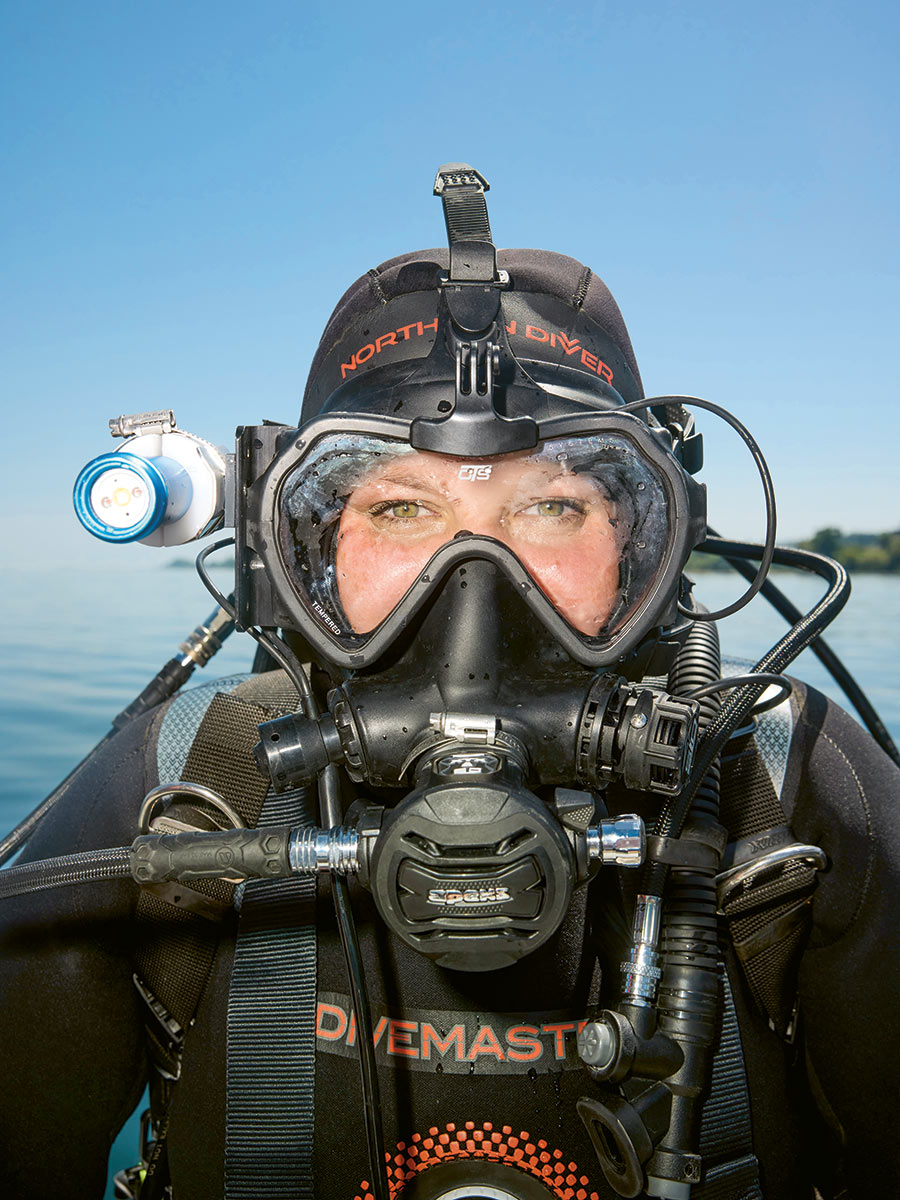
PhD student Julie Conrads was trained by Christoph Walcher and is today one of the eight members of the Scientific Dive Group.
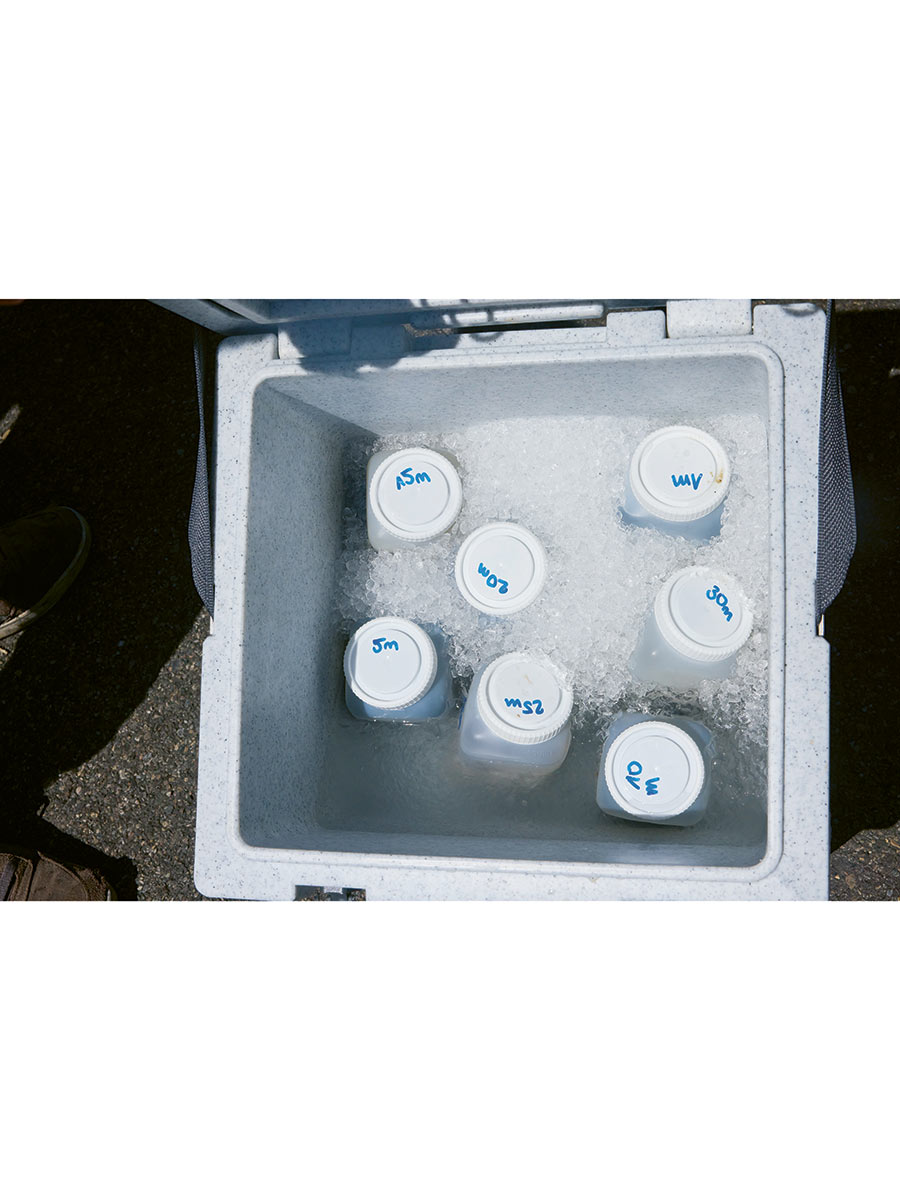
The different samples of Dreissena rostriformis bugensis are kept in an ice box when removed from the lake.
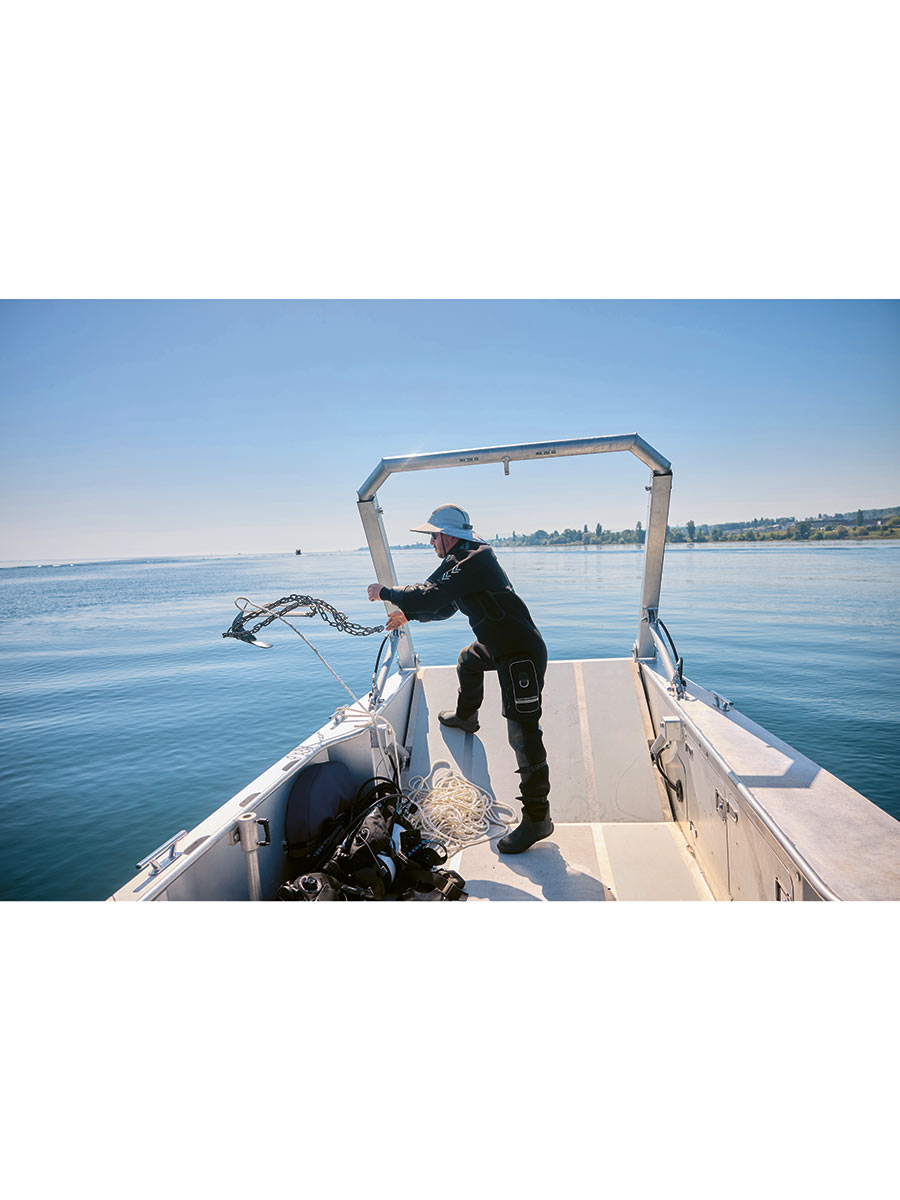
Eawag’s boat, the Calypso, at anchor some ten minutes from the shore where the lake is 30 metres deep.
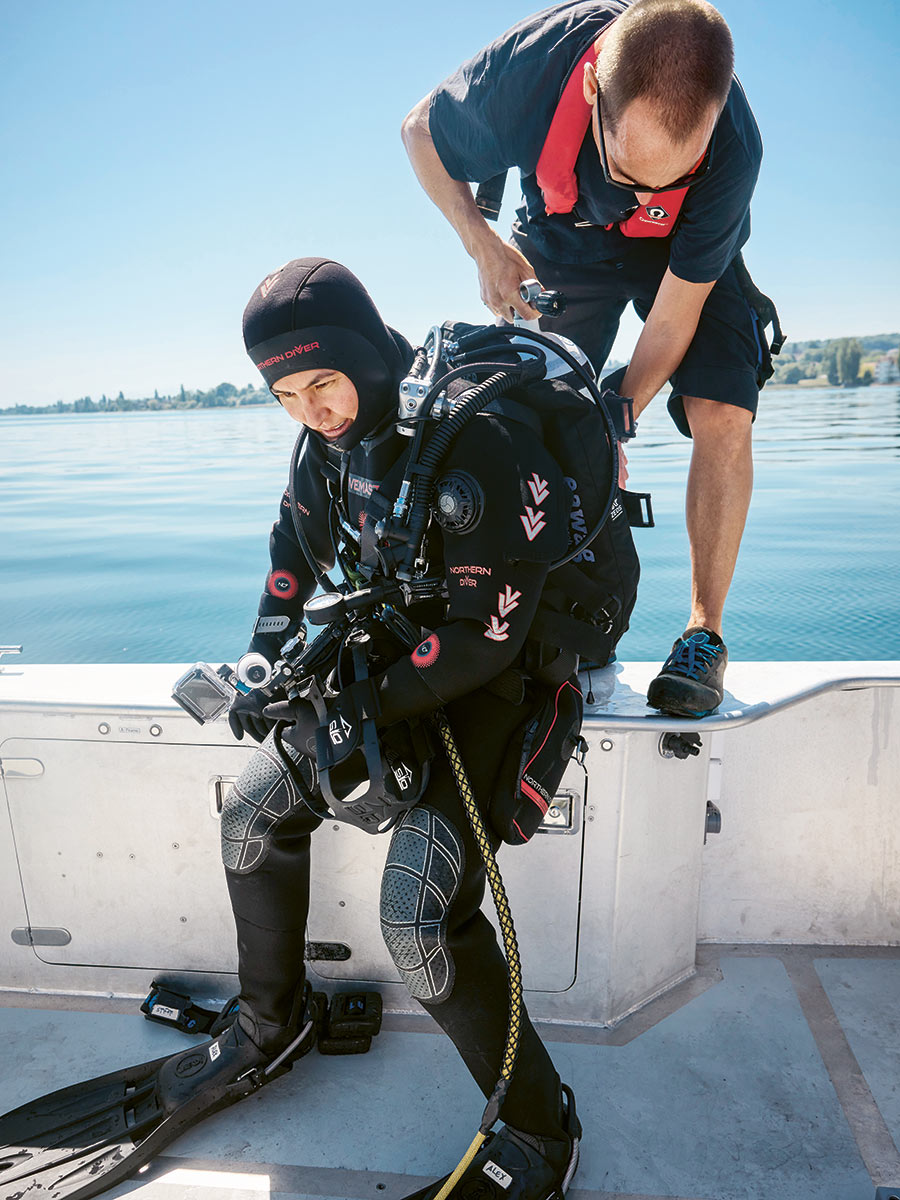
Diving group leader Christoph Walcher helps Alexandra Weber to put on her heavy diving equipment.
The team will freeze the mussels once they return to Eawag, where they will study them over the summer. They will take standardised photos to compare colour, size and shape, and analyse the expression of genes as well as the presence of epigenetic markers. “We have already observed that quaggas living on the surface and in the depths have different morphologies, but without presenting notable genetic differences”, says Weber. “That means we’re dealing with two ecomorphs of the same species, not two distinct species”.
Preliminary analyses indicate a gradual change in the morphology of quagga mussels between 10 and 40 metres of depth. To study them accurately, precise samples must be taken at exact metre depths, which is why divers are needed. The simple mechanical sediment bucket – used for deeper samples – would not be enough here. This is the case, because unlike zebra mussels – another invasive species from the Black Sea region that lives close to the surface – quagga mussels also colonise the deepest areas. This multiplies their impact on the environment and makes mechanical eradication unrealistic, given the difficulties accessing these areas, and not to mention the quantities at hand. At any rate, it is one of the reasons to improve our understanding of the characteristics of the two ecomorphs.
The most urgent matter is to stop their spread, which has been observed in most large Swiss lakes. The cantons are gradually establishing an obligation for certified washing with hot-water pressure cleaners when a boat is moved from one lake to another. This has the added benefit of also eliminating larvae from the stagnant water of boats’ cooling systems.
That particular task will befall Conrads tomorrow. It’s several hours of work, too. It will, however, avoid the risk of rain washing larvae into the stream next to the Eawag hangars, which could then spread into the Rhine. The Eawag team wants to help solve the quagga mussels puzzle, not contribute to it.