IN BRIEF
Tweeting outrage from the tube

People aren’t always as calm as they seem here in the Buenos Aires metro, seen in a photo taken in 2015. The tweets they post online these days about their underground travels are very different indeed. | Photo: Paul Hahn / Keystone
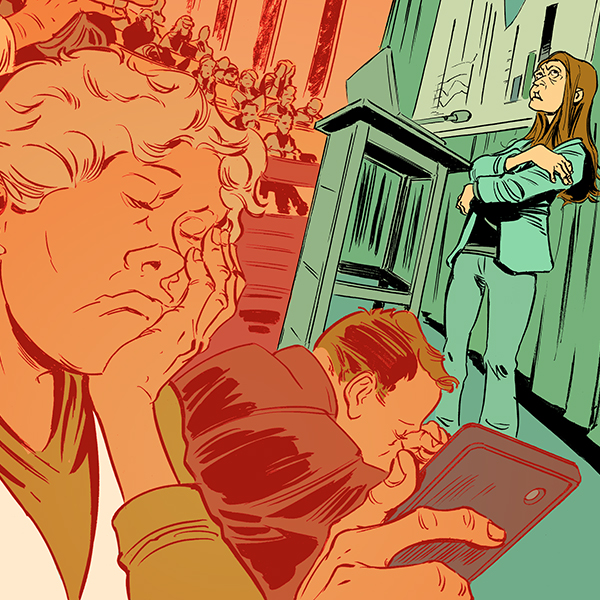
Whether it’s people pushing and shoving, talking too loudly or fare-dodging – if someone on public transport upsets their fellow passengers today, the latter are more likely to pull out their mobile phones and vent their rage online rather than risk getting into a heated argument by confronting a troublemaker. Researchers from the Universities of Lausanne and Buenos Aires have been engaged in a socio-psychological study to investigate just what happens in these cases. They have based their work on messages posted on Twitter (now X) from the metro of the Argentine capital between 2017 and 2022.
Tweets, sent from the Buenos Aires metro between 2017 and 2022.
The researchers collected over 12,000 posts and divided them into six thematic groups, depending on their content. The things that especially annoyed passengers on Buenos Aires’s busy underground metro were overcrowded carriages, people jostling others, and people staring at other passengers. The study found that people tended to complain about selfish behaviour and that social rules were not being enforced uniformly on public transport.
Tweets and suchlike are used as an outlet for people to express their frustration in real time at the things that happen every day on the metro. What’s more: “the frustration that built up among the passengers was regurgitated online in a more aggressive form”, says Maite Regina Beramendi, the lead author of the study. This in itself could undermine social norms and poison the atmosphere in public spaces. Ironically, one other recurring source of ire in the angry tweets under investigation was passengers who are constantly on their mobile phones on the underground!