
Flatbreads stimulate the microbiome of kids in Ethiopia
Children from rural Ethiopia have a more varied gut microbiome than kids from the big city. We look at the possible reasons.
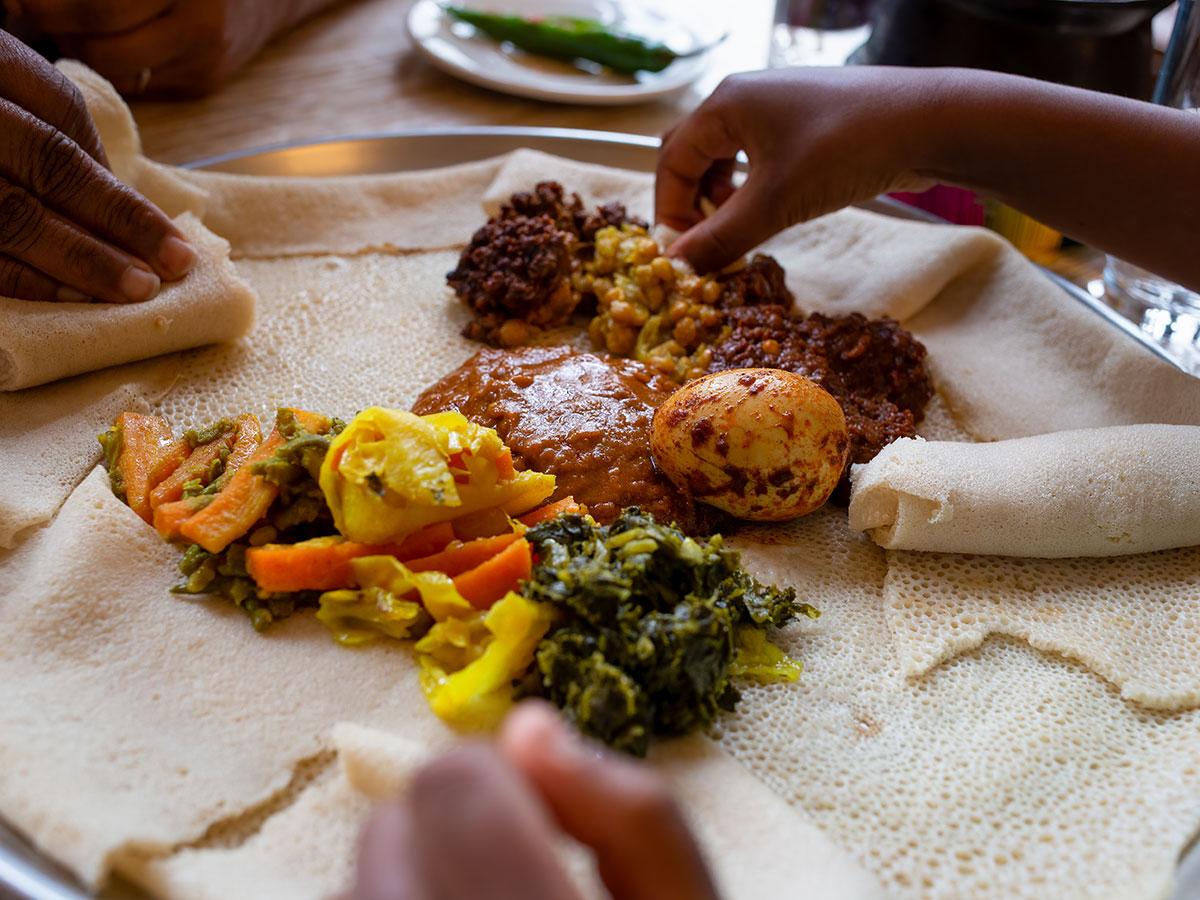
The varied gut microbiome of village kids in Ethiopia seems to be aided by the grain teff, which is fermented and used to bake traditional flatbreads. | Photo: iStock
The gut microbiome of Ethiopian children who grow up in cities is similar to that of European kids, according to the results of a study conducted by the University of Zurich. It’s presumably the more Western lifestyle enjoyed by city children that has influenced the composition of their gut microbiome, which contains both bacteria that break down simple sugars and genes that confer resistance to antibiotics. The study found that Ethiopian children from rural areas have a different microbiome. Their gut is colonised predominantly by microbes that exploit plant-based and fibre-rich foods.
“Ethiopian cities have seen a huge increase in the availability of sweets and sugary drinks”, says Anne Müller, a microbiologist involved in the study. She and her team analysed more than 200 stool samples from children in Adama, Ethiopia’s second-largest city, then compared the results with data from children from both Italy and rural Ethiopia. The rural samples were from a village situated just 60 kilometres from Adama itself. “So we were surprised that their microbiome still differed so much”, says Müller. Our gut microbiome is vital for our health, because it aids our digestion, influences our metabolism, trains our immune system and protects us against infection. The more diverse our microbiome, the more pronounced its beneficial effects seem to be. Children from rural Ethiopia had a more diverse microbiome than their city-dwelling peers. But the Zurich study did not investigate whether they were also less prone to illness.
Traditional Ethiopian flatbread is baked from fermented teff, the grain of a species of lovegrass. It also seems to promote diverse gut microbiota. In rural Ethiopia, children consume more teff than their counterparts in urban areas. And its positive impact was also measurable in urban children who ate teff. “We may assume that the fermenting grains enter the gut along with the bread”, says Müller. The microbiome of children who eat teff also contain many previously undescribed bacteria. Whether or not they actually contribute to a healthy gut microbiome is something that Müller now wants to investigate.


