Positive discrimination doesn’t endure

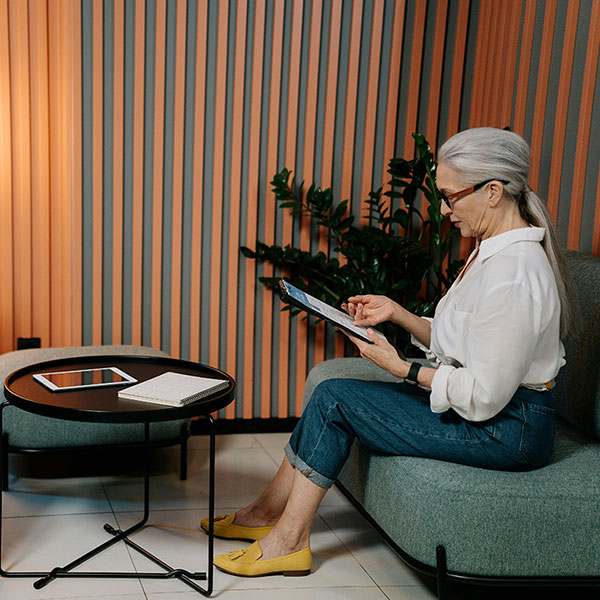
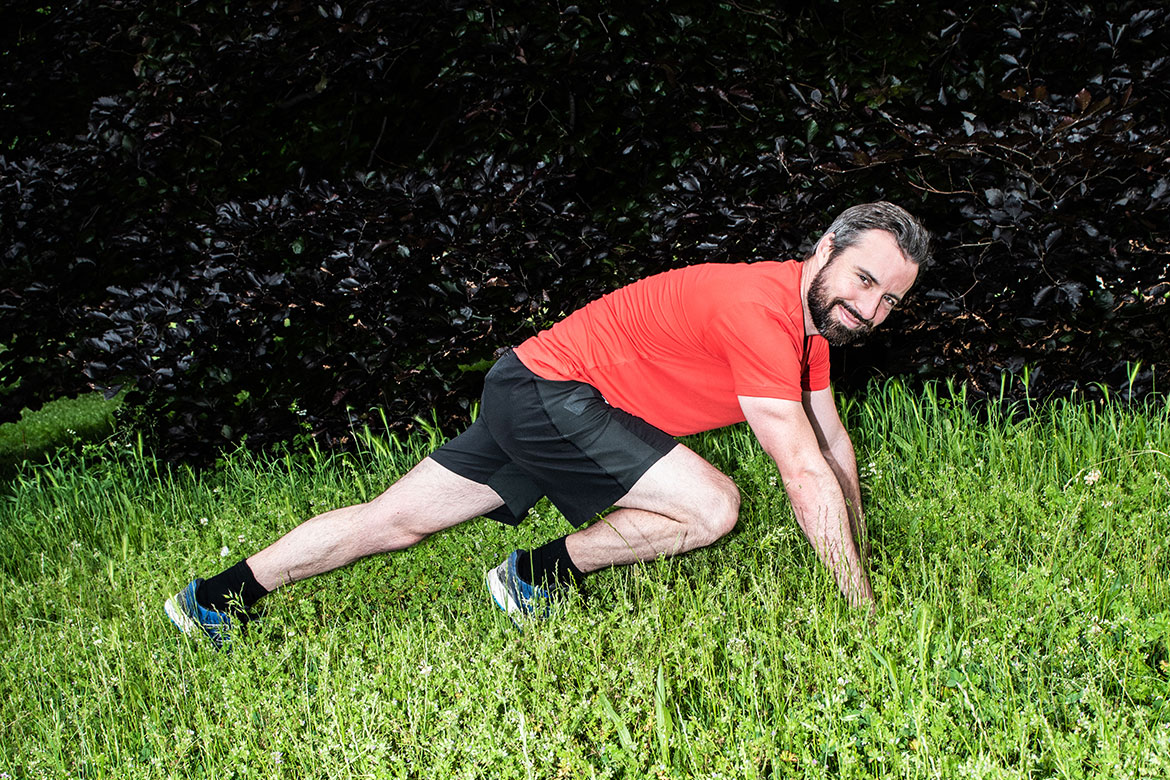
The same actor was employed to make a pitch to investors. His competence was judged differently, depending on whether they thought he had a physical disability. | Photo: 2026 Stroe et al.
At first, potential investors react positively to entrepreneurs with physical disabilities. The University of St. Gallen has conducted a study in which the same person presented an identical pitch – once while standing and once from a wheelchair. When in a wheelchair, they were rated as more competent and more sympathetic. “That sounds positive at first”, says Silvia Stroe, the study’s lead author. But even this positive discrimination hides a bias that manifests as paternalistic benevolence, she says. Exclusion is clearly still taking place, for people with physical disabilities remain underrepresented in entrepreneurship. This is why Stroe’s co-author Charlotta Sirén is convinced that negative discrimination must inevitably be taking place in later stages of capital allocation. yv