
Feature: Back to basic research
Invention in the spotlight
Many products that we take for granted in our everyday lives emerged out of basic research. Here, the photographer Philotheus Nisch rolls out the red carpet for several such products – some of them controversial.

You’ve got the whole world in your hand. The Schadt–Helfrich cell provided the foundations for modern liquid-crystal display technology. | Photos: Philotheus Nisch
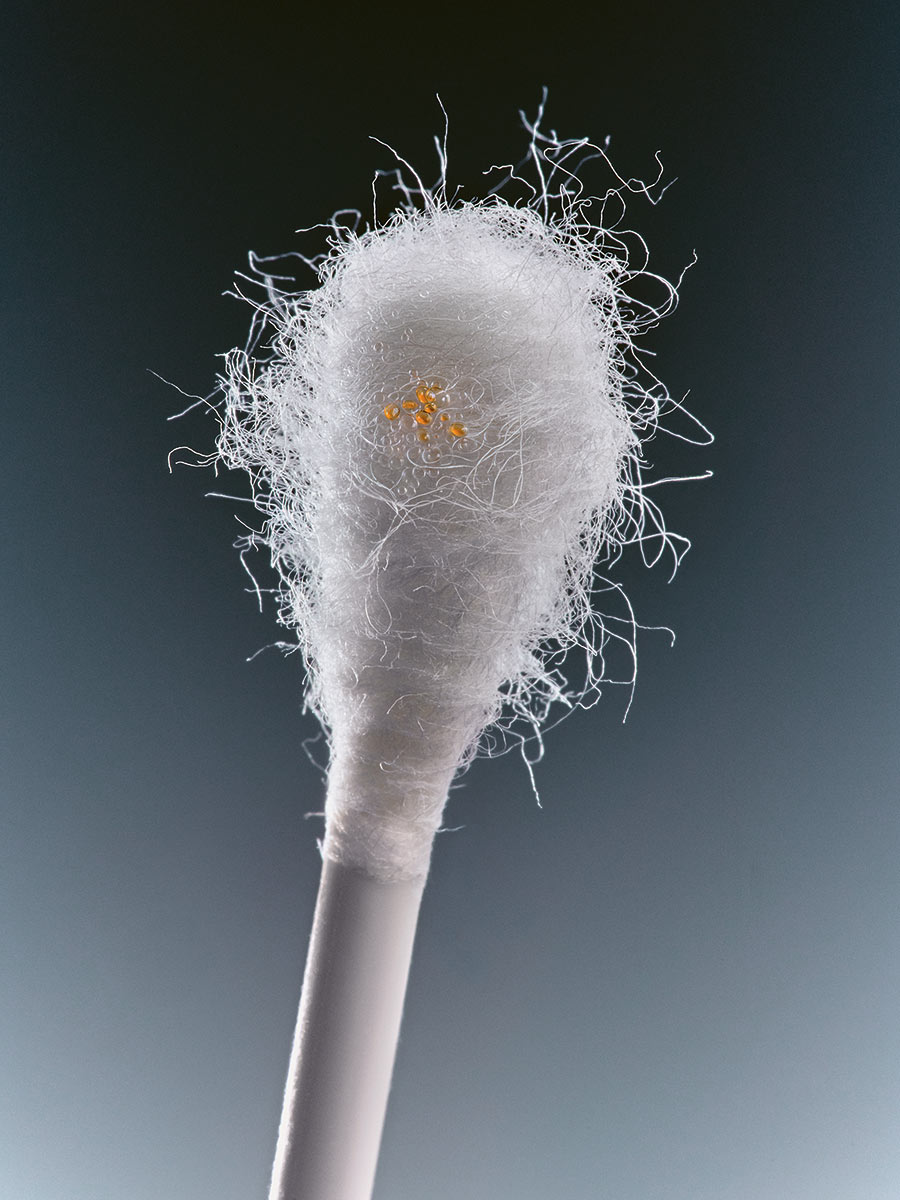
The polymerase chain reaction (PCR) makes it possible to multiply DNA using even tiny quantities. It was developed in 1987 by Kary Mullis and won him a Nobel Prize in 1993. Today, it’s the most important method for detecting viruses such as SARS-CoV-2.

Why do we cling to goals that hold us back, not push us onwards? The psychologist Veronika Brandstätter has used the answers she found to create a self-management programme, the ‘Zurich Resource Model’. These cards are used to trigger strong, positive emotions.
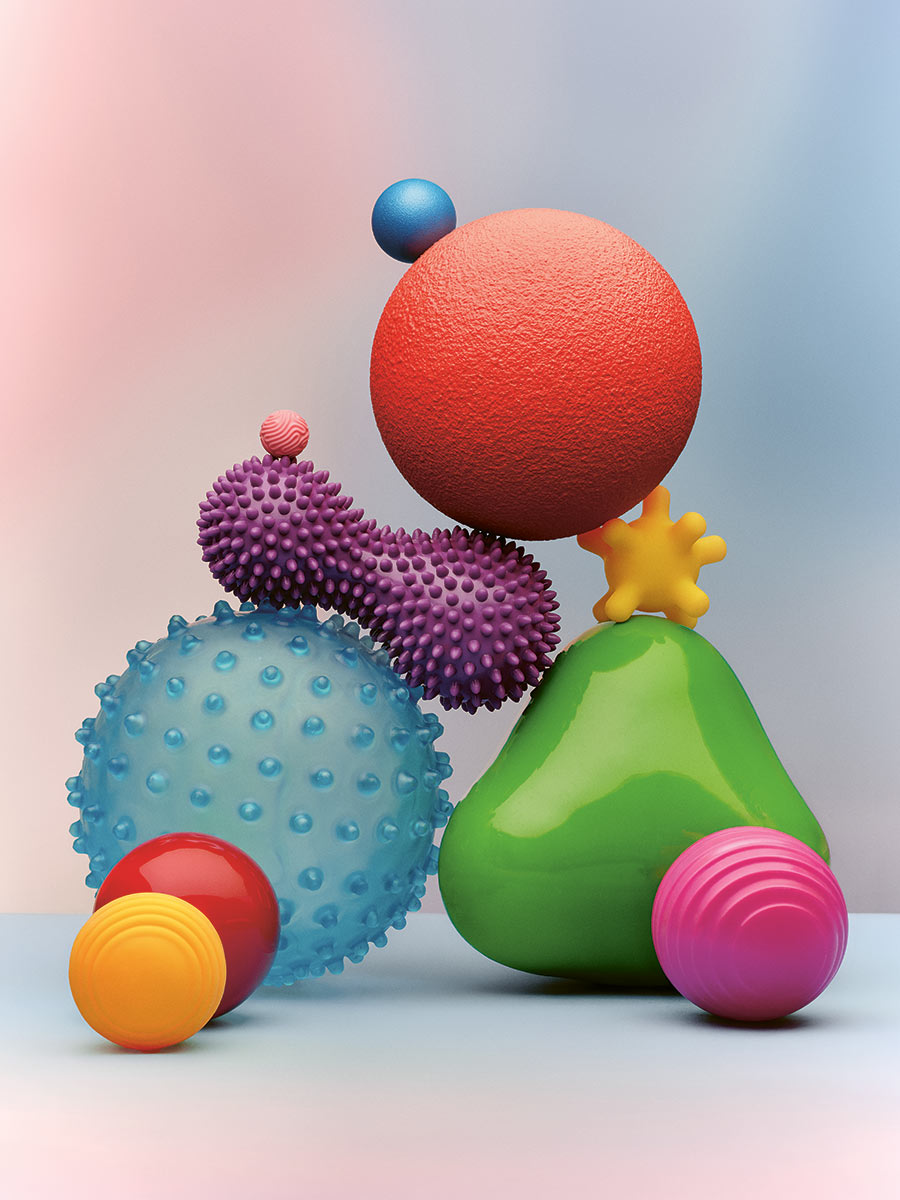
The developmental psychologist Jean Piaget developed a model for the different stages of cognitive development. In the first stage, babies learn primarily by touching things. Many toys use this idea.
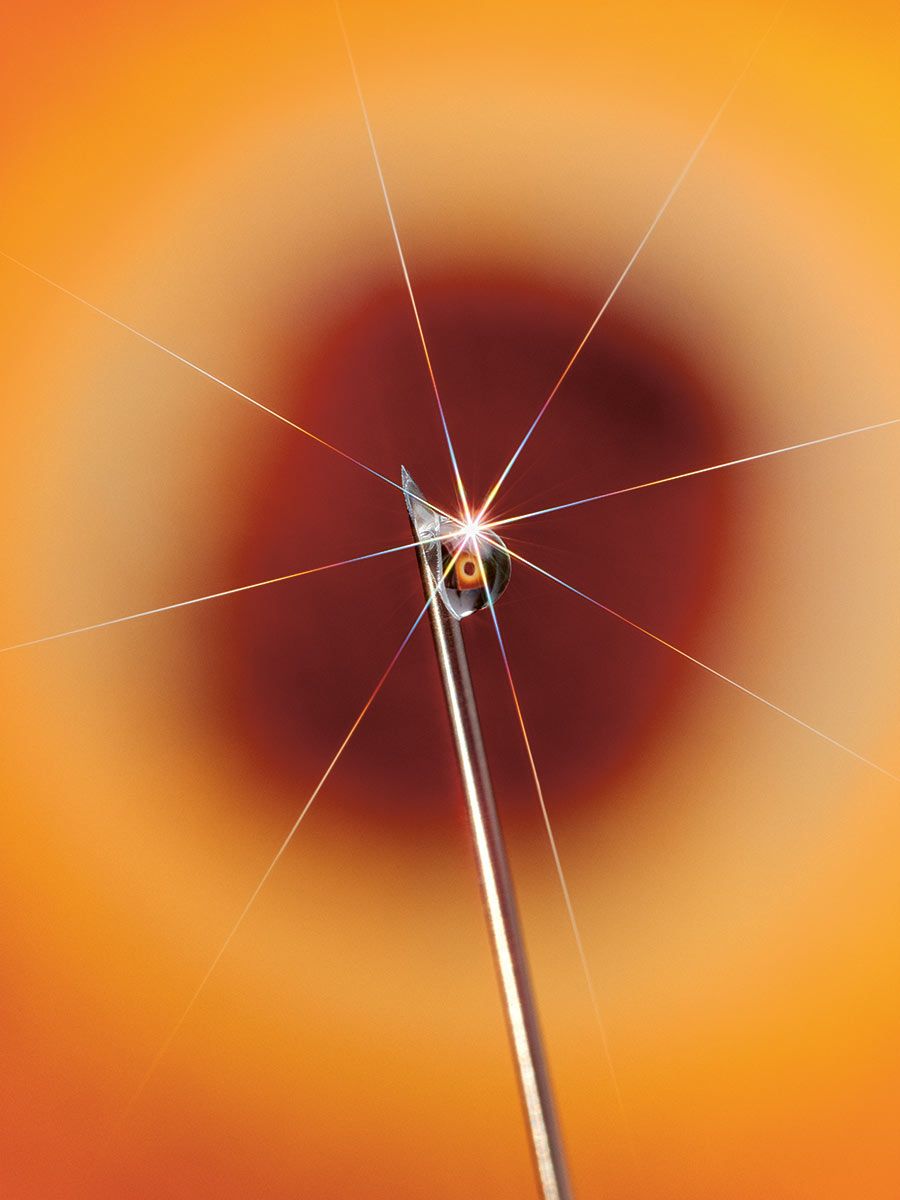
In the 1980s, John Pisano and Jean-Pierre Raufman carried out experiments with lizard venom. This led to their discovery of an active ingredient that can treat diabetes: Ozempic. Many people now use it to lose weight.
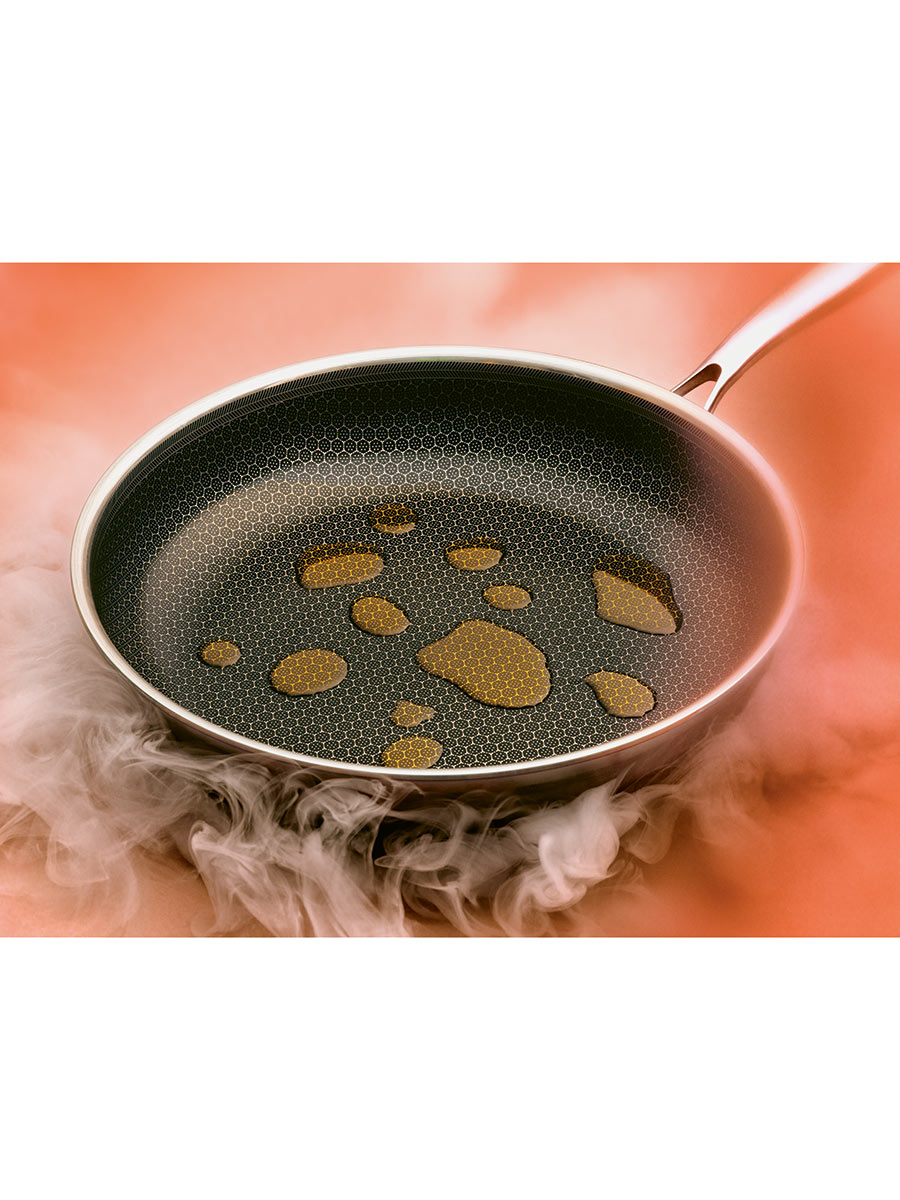
Research into refrigerants led almost by chance to the development of Teflon.
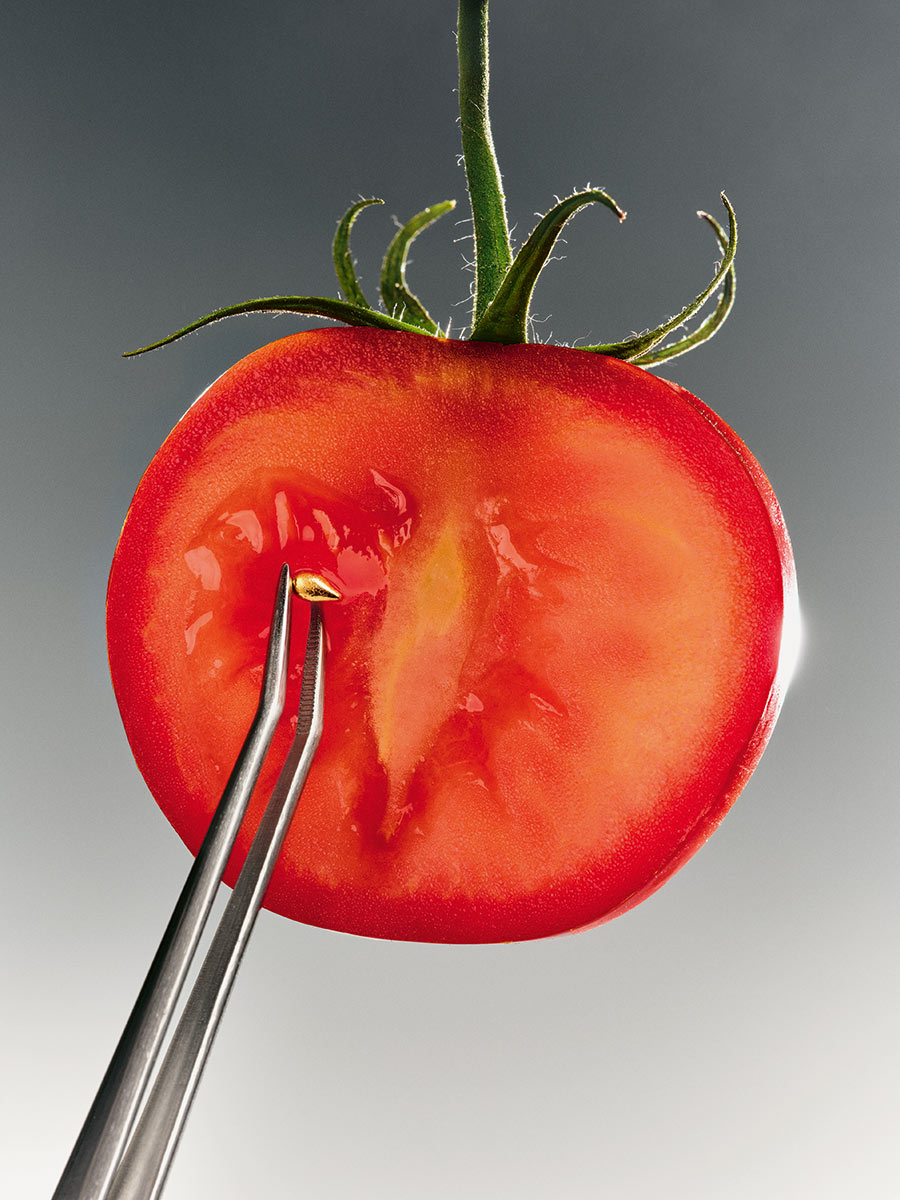
Expeditions to the Andes and the Galápagos Islands provided the genetic knowledge to grow the perfect tomato.